Tropical Natural Support for Joint Range and Everyday Movement
Exploring natural compounds and plant extracts from tropical regions that contribute to daily flexibility and ease of motion
Natural Support for Everyday Mobility in Tropical Climates
For generations, tropical regions have been home to diverse plant compounds and natural ingredients that support daily movement and flexibility. This resource explores the botanical foundations of these tropical traditions and their role in everyday wellness, particularly within the context of living in warm, humid climates.
Understanding the connection between tropical plant compounds and everyday joint comfort provides valuable educational perspective on natural nutrition and traditional dietary practices across tropical communities.
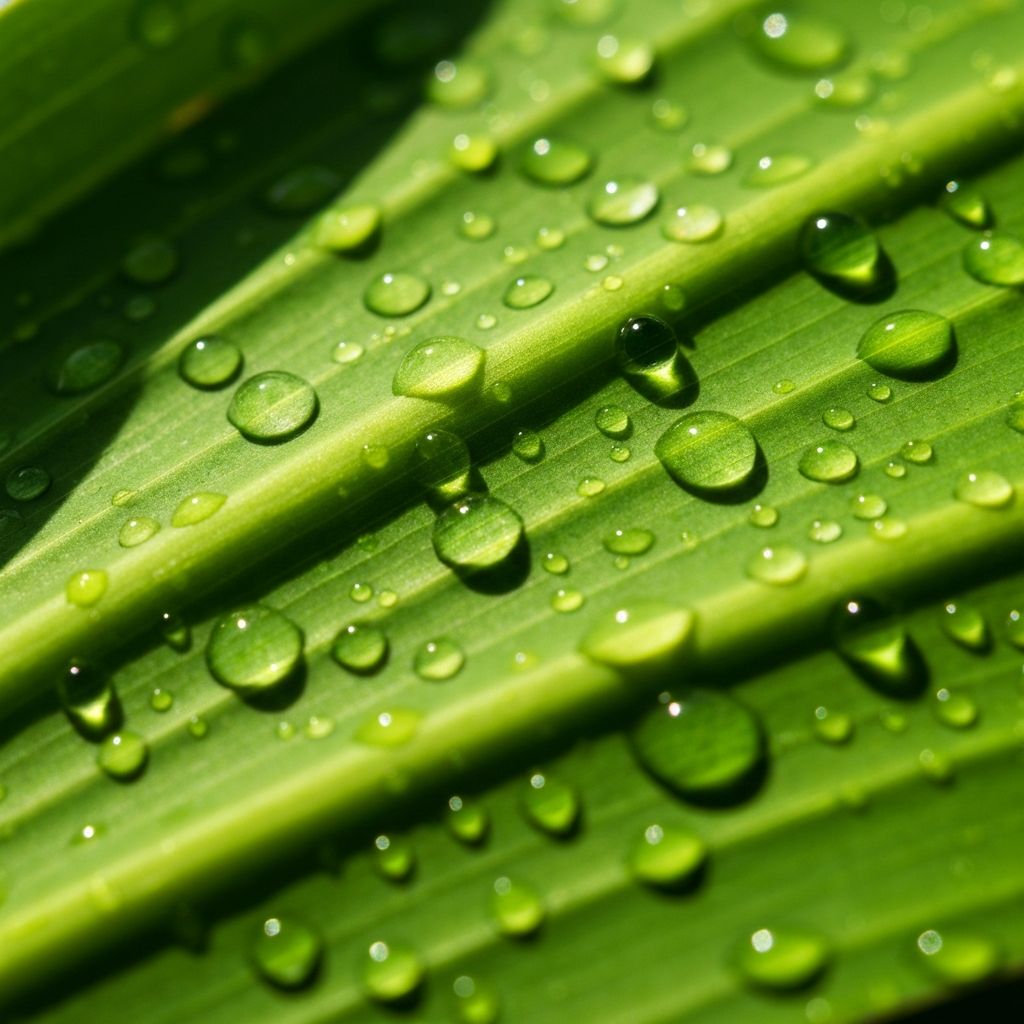
Nutrition in Humid Tropical Climates and Movement Ease
Living in tropical climates requires specific nutritional considerations. The heat and humidity of tropical regions influence how the body processes nutrients and maintains everyday comfort during movement and activity.
Tropical diets naturally incorporate compounds that support joint flexibility and range of motion as part of daily nutrition. These dietary patterns have evolved over centuries to provide support for active living in warm climates, emphasizing plant-rich foods and natural extracts that complement tropical lifestyles.
By exploring these traditional nutritional approaches, we gain insight into how different cultures support everyday mobility and comfort through dietary choices adapted to their environment.
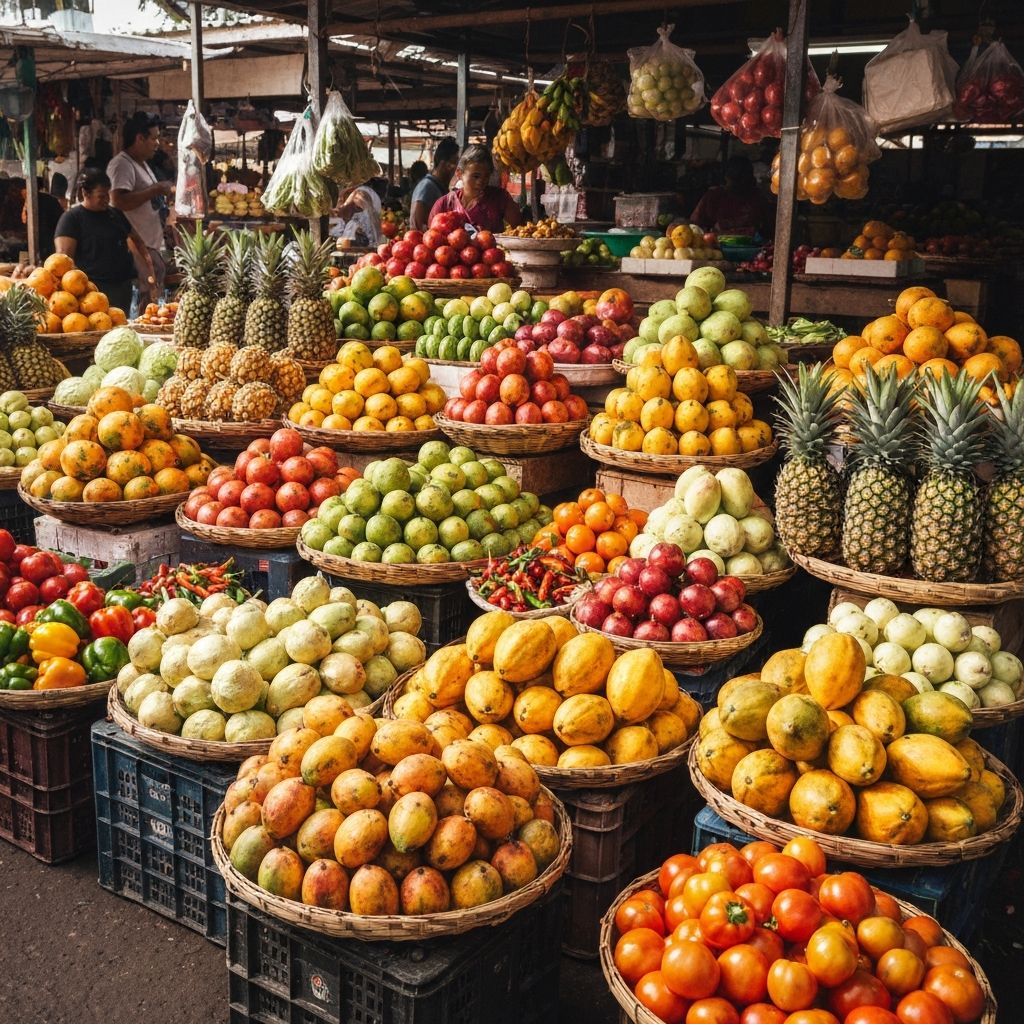
Overview of Tropical Key Compounds Supporting Motion
Tropical regions produce a remarkable variety of natural compounds that have traditionally been incorporated into local diets. These compounds work together to support everyday joint flexibility and ease of movement, forming the foundation of many tropical wellness practices.
Each compound below represents a key element found in tropical plants and marine sources, studied for its role in supporting natural mobility and comfort during daily activities in warm climates.
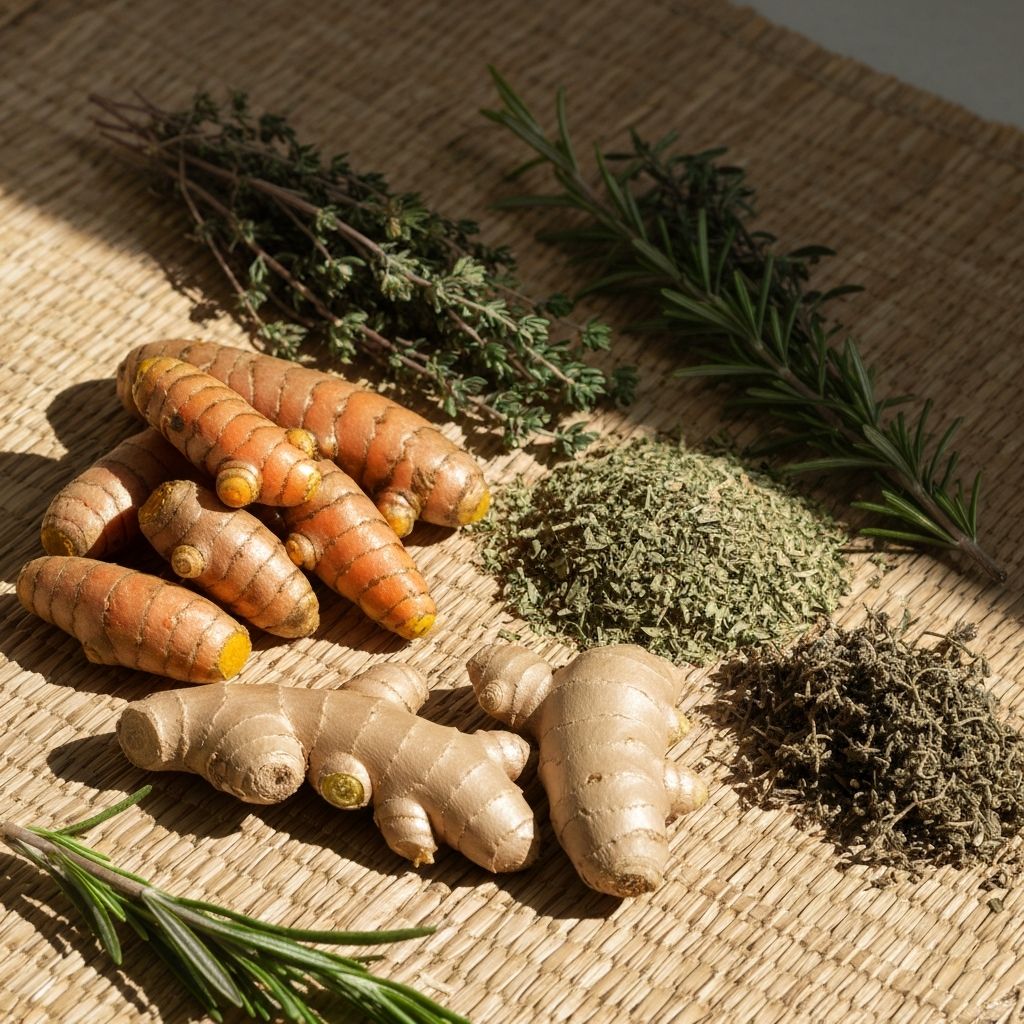
Glucosamine from Marine Sources
Derived from island waters and marine organisms, providing natural support for joint flexibility
Chondroitin in Tropical Forms
Found in tropical dietary sources, contributing to everyday joint comfort and range of motion
Collagen from Sea & Fish Origins
Natural marine collagen peptides supporting connective tissue and movement ease
MSM in Plant-Rich Foods
Organic sulfur compound abundant in tropical vegetables and herbs, supporting natural flexibility
Curcumin from Turmeric Varieties
Active compound in tropical turmeric, traditionally used in everyday cooking across island communities
Ginger, Tamarind & Boswellia
Tropical herbs and botanical extracts supporting everyday comfort and natural mobility
Glucosamine from Island Marine Sources
Glucosamine exists naturally in marine environments surrounding tropical islands. This amino sugar is found in shellfish, seaweed, and other marine organisms abundant in tropical waters.
As a naturally occurring component of cartilage, glucosamine has been part of traditional island diets for centuries. In the context of tropical nutrition, marine-sourced glucosamine represents a bioavailable dietary component that supports everyday joint comfort and flexibility.
The tropical marine ecosystem provides glucosamine in forms easily incorporated into local dietary traditions, making it a significant element of island nutritional practices supporting natural mobility and ease of movement.

Chondroitin in Tropical Dietary Forms
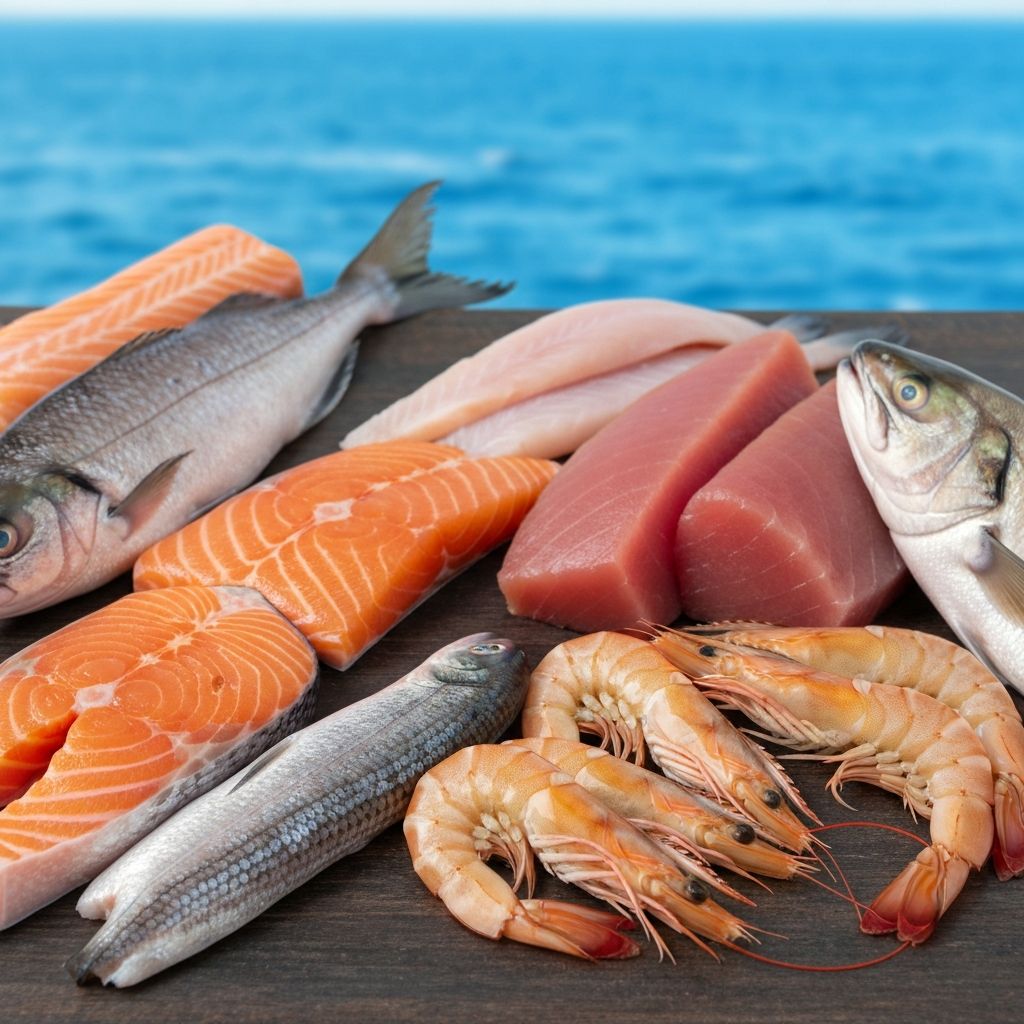
Chondroitin sulfate naturally occurs in tropical fish and marine products that form staples of island diets. This compound exists as a structural element in cartilaginous tissues of marine organisms abundant in tropical waters.
Traditional tropical cuisine naturally incorporates chondroitin through seafood consumption, bone broths, and traditional preparations. These dietary practices have evolved to support everyday joint comfort and flexibility as an integrated part of tropical living.
Understanding chondroitin's role in tropical nutrition provides insight into how traditional food systems support natural mobility and everyday ease of movement within the context of warm climate living.
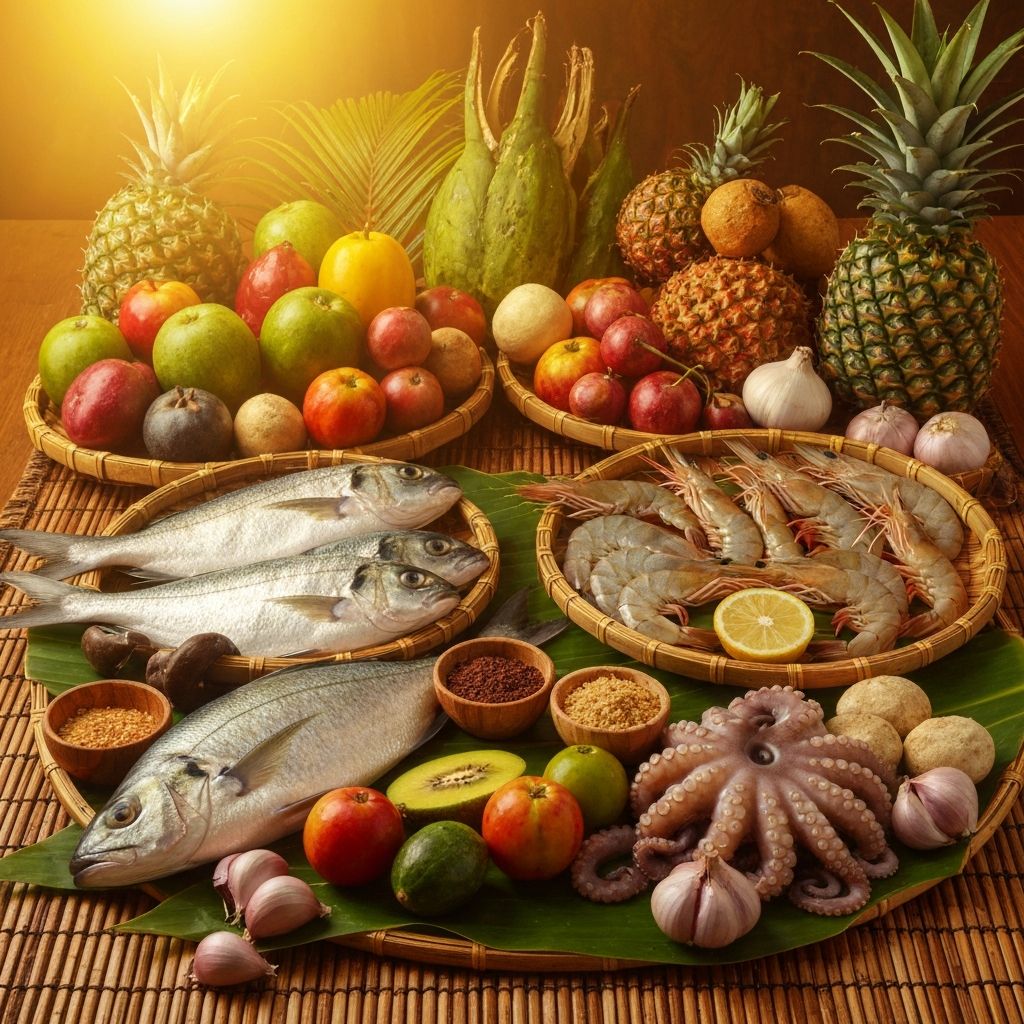
Collagen from Sea and Fish Origins
Marine collagen derived from tropical fish and seafood represents a significant source of bioavailable collagen peptides in island diets. Fish skin, scales, and bone structures contain collagen proteins that support connective tissue integrity.
Tropical coastal communities have long incorporated fish-based broths and preparations that naturally concentrate collagen peptides. These traditional preparations provide nutritional support for everyday joint comfort and natural flexibility through dietary consumption.
The tropical marine environment produces abundant collagen sources that have become integral to cultural dietary practices supporting movement ease and daily physical comfort in warm climates.
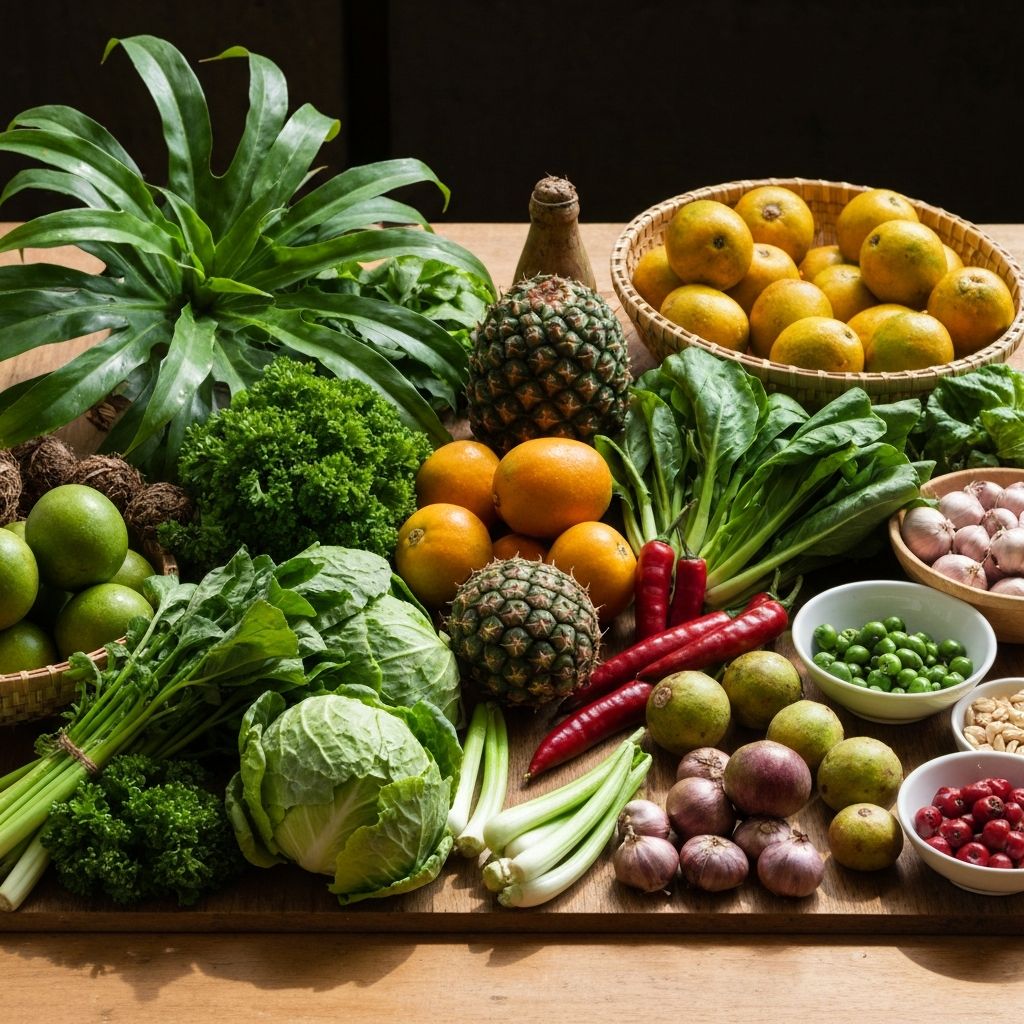
MSM in Plant-Rich Tropical Foods
Methylsulfonylmethane (MSM) is an organic sulfur compound naturally present in tropical vegetables, herbs, and plant foods. This bioactive element is particularly abundant in sulfur-rich tropical plants adapted to island climates.
Tropical diets rich in fresh vegetables, leafy greens, and aromatic herbs provide substantial MSM content, supporting everyday joint flexibility and natural ease of movement. The diversity of tropical plant species ensures varied dietary sources of this important compound.
MSM's presence in everyday tropical foods makes it a natural component of traditional island nutrition, contributing to cultural practices supporting long-term joint comfort and daily mobility across generations.
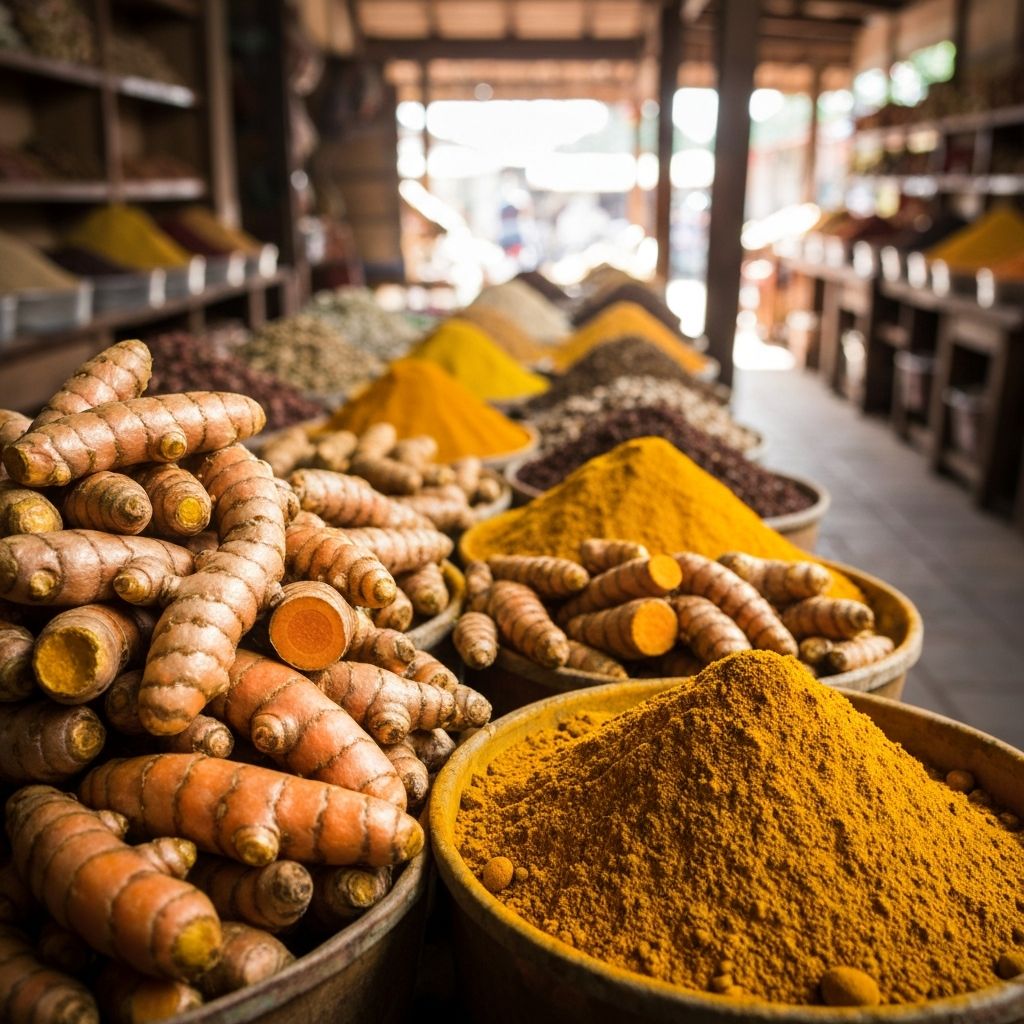
Curcumin from Local Turmeric Varieties
Turmeric thrives in tropical climates, and curcumin—its primary active compound—has been central to island cooking traditions for millennia. Local turmeric varieties adapted to tropical regions contain varying concentrations of curcumin depending on soil, climate, and agricultural practices.
Turmeric's widespread use in tropical cuisine goes beyond flavor enhancement; it represents a foundational element of traditional tropical nutrition. Daily turmeric consumption through curries, rice dishes, and beverages provides consistent dietary intake of curcumin supporting everyday joint comfort.
The integration of turmeric into daily tropical meals demonstrates a sophisticated understanding of how natural plant compounds support natural mobility and ease of movement as part of ordinary dietary practice.
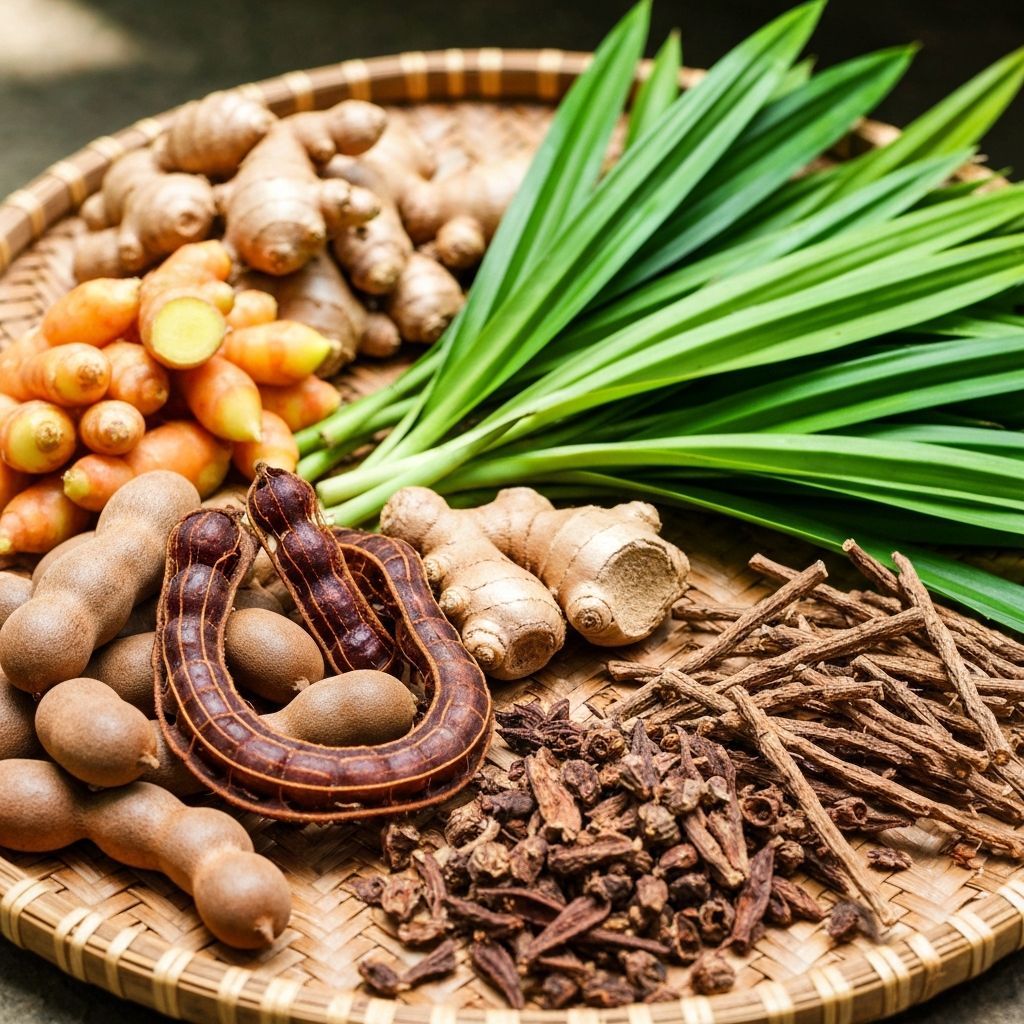
Ginger, Tamarind, Pandan & Boswellia: Tropical Botanical Support
Ginger: A tropical rhizome used fresh or dried in everyday cooking, providing warmth and digestive support. Ginger's bioactive compounds have been traditionally valued in tropical medicine systems for supporting comfort during movement.
Tamarind: A tropical fruit widely used in island cuisine, offering a distinctive flavor while providing natural compounds that support everyday nutrition and digestive health alongside other tropical staples.
Pandan: A fragrant tropical leaf used in cooking and beverages across island regions, providing aromatic compounds and supporting cultural culinary practices that naturally incorporate joint-supporting elements.
Boswellia: A tropical tree resin traditionally used in island wellness practices, representing an important botanical element in tropical nutritional traditions supporting everyday comfort and natural flexibility.
Together, these tropical herbs and botanicals create a comprehensive dietary foundation supporting joint range of motion and ease of movement as an integrated part of tropical living.
Tropical Natural Compounds for Men and Women Supporting Mobility
The following represent the diverse tropical natural compounds and plant extracts that support everyday joint range of motion and ease of movement across different demographics and activity levels.
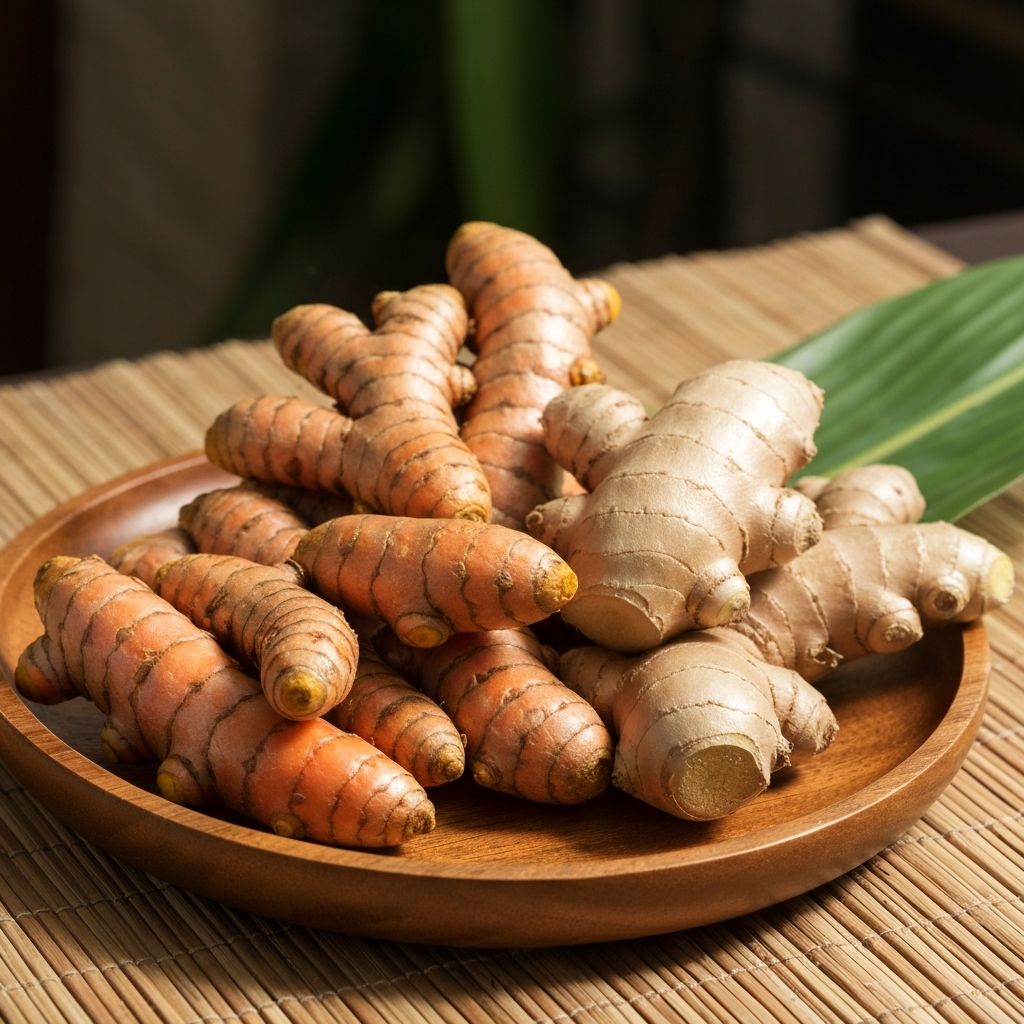
Fresh Tropical Root Compounds
Natural compounds from ginger and turmeric roots supporting everyday flexibility and comfort in tropical environments.
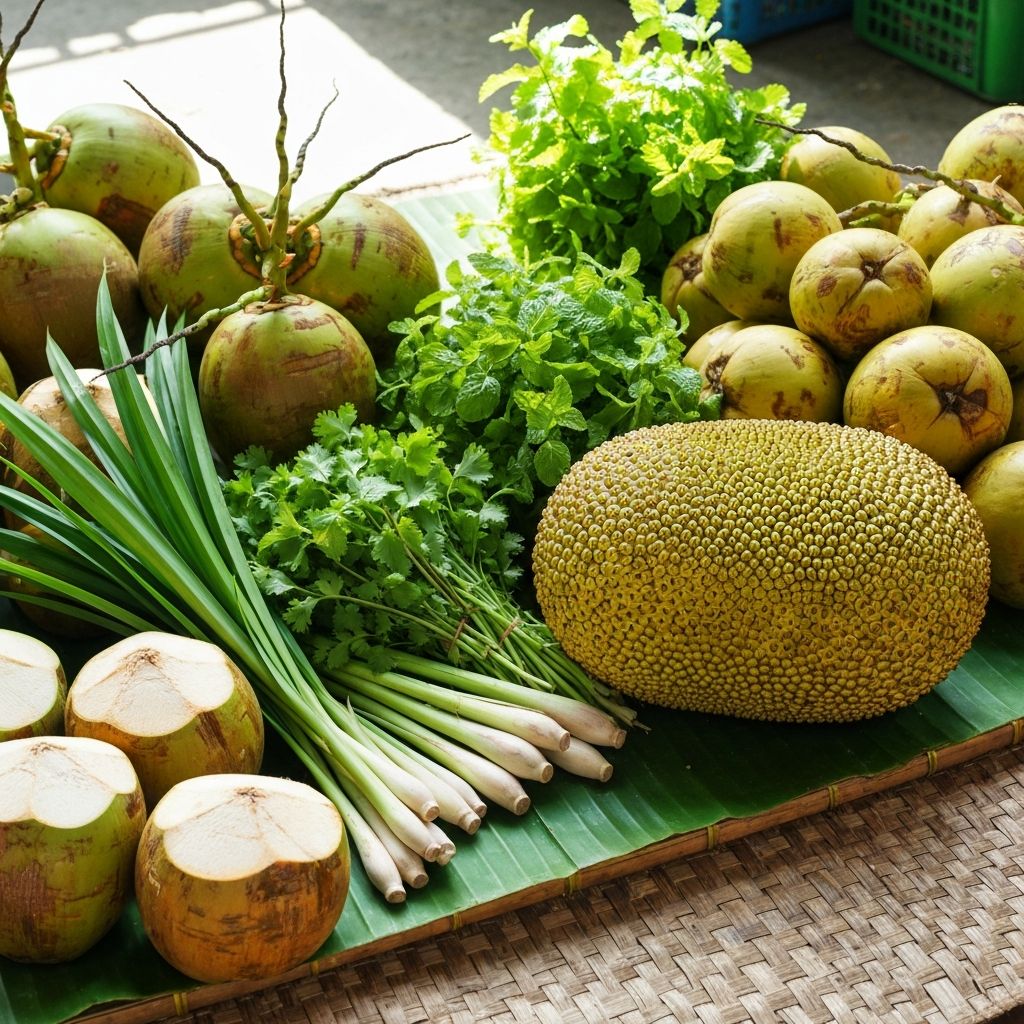
Island Fruits & Plant Resources
Coconut, jackfruit, and botanical sources providing diverse nutritional support for natural joint comfort.
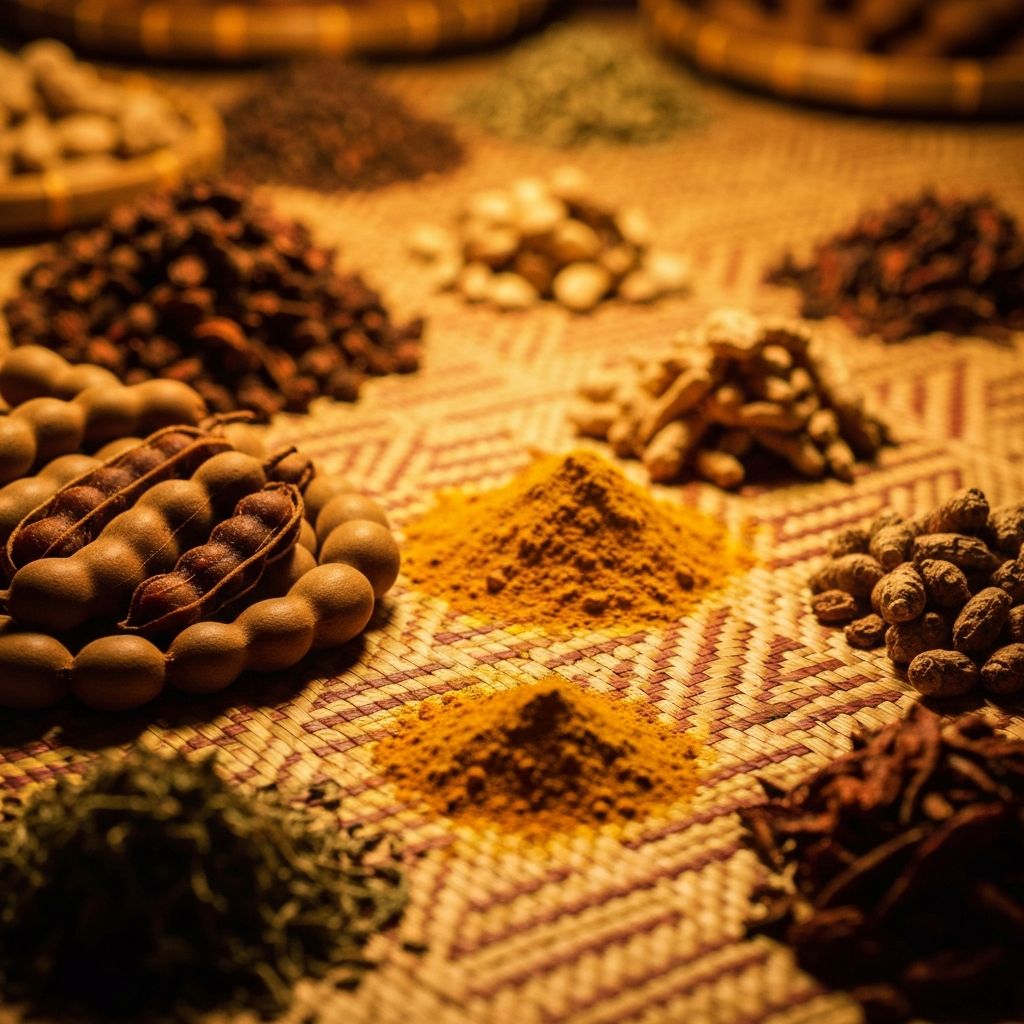
Dried Tropical Herbs & Extracts
Concentrated botanical elements including tamarind, boswellia, and dried herbs supporting everyday movement ease.
Frequently Asked Questions
Important Context and Boundaries
Informational Nature of This Resource
TropicJointCare is an educational resource designed to explain tropical compounds, their origins, and traditional dietary uses within island communities. This information is presented for educational purposes to develop understanding of tropical nutrition and natural plant-based traditions.
No Individual Recommendations
The information provided here does not constitute individualized advice for your personal situation. Every person's nutritional needs differ based on health status, existing conditions, lifestyle, and other factors. Any dietary or lifestyle changes should be discussed with appropriate healthcare professionals who understand your individual circumstances.
Diverse Approaches to Everyday Nutrition
While tropical compounds represent important elements of island dietary traditions, many approaches exist for supporting everyday joint comfort and natural flexibility. Different individuals may find different strategies most beneficial for their lifestyle, climate, and personal preferences. Tropical nutrition represents one established tradition among diverse nutritional philosophies.
Variety of Individual Responses
Different individuals experience different results from any dietary or nutritional approach. The role of tropical compounds in supporting everyday mobility reflects general population patterns documented in traditional use, but individual responses vary based on genetics, diet, activity level, climate adaptation, and numerous other personal factors.
Explore Tropical Nutrition Further
This resource represents an introduction to tropical compounds and their role in supporting everyday joint range of motion and ease of movement. The tropical regions of our world contain centuries of accumulated knowledge about which plant compounds and dietary practices best support natural mobility and comfort in warm climates.
We encourage you to:
- Learn more about tropical medicinal plants through academic research and peer-reviewed sources
- Explore traditional island cuisines and dietary practices that incorporate these compounds naturally
- Understand your own nutritional needs within the context of your climate and lifestyle
- Consult with healthcare professionals about your personal approach to everyday wellness
- Discover local tropical products and plant-based traditions in your region
Tropical compounds represent just one element of comprehensive approach to everyday health and natural mobility. We hope this educational resource has provided valuable perspective on these fascinating botanical traditions.
Get in Touch
Have questions about tropical compounds or this educational resource? We'd like to hear from you with your feedback, suggestions, or inquiries about tropical plant-based nutrition.